— About
A Syrian practitioner working in education, refugee integration, and community programmes.
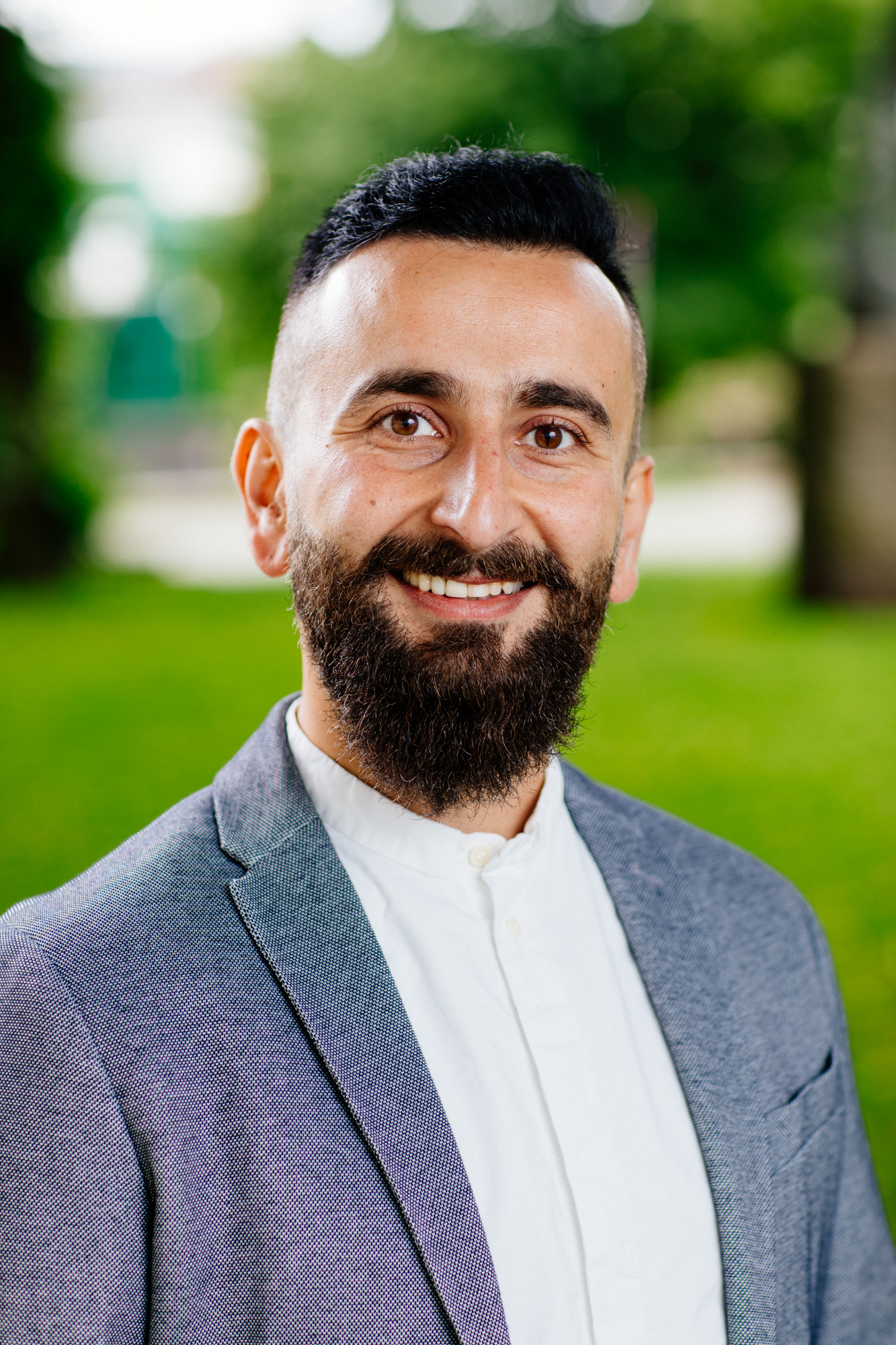

I am Nader Turkmani. I work with organisations that take education, refugee inclusion, and community life seriously, and that want to do their work better.
My background is grounded in Syria and the region around it. Over time, that has extended into engagements with NGOs, municipalities, foundations, and education actors in different contexts — wherever displaced communities and the institutions meant to support them come into contact.
Most of what I do sits between three roles: a practitioner who helps design and adjust programmes, a researcher who documents what is actually happening, and a translator between communities, organisations, and funders who are often working with very different vocabularies.
I work in Arabic and English. I take on a small number of engagements at a time so I can stay close to the field, and I am cautious about claims I cannot back up with first-hand work.
Languages
Arabic · English
Mode of work
Advisory · Field · Writing
Availability
Selective engagements
Roots
Syria
— Themes I keep returning to
Four areas that shape how I work.
- Education
- Formal and informal learning in contexts where standard schooling has been disrupted — including learning continuity, teacher support, and accessible programme design.
- Refugee integration
- How displaced communities and host societies actually come into contact: in schools, municipalities, services, and shared neighbourhoods.
- Community impact
- Working with grassroots organisations and local actors to design and adjust programmes that hold up in the face of slow change.
- Field research
- Qualitative work, interviews, and case documentation that take seriously what families, teachers, and community workers describe.
— Approach
A few working principles, kept short on purpose.
01
Start in the field, not the brief.
Programmes hold up when they are built from what people are already doing, rather than imposed on top of it. I spend most of my time listening before recommending anything.
02
Treat affected people as colleagues.
Refugees, teachers, and community workers are the experts on their own situations. My role is to translate that expertise into a form that funders, ministries, and NGOs can act on.
03
Document plainly.
Reports are tools, not performances. I write in clear, careful language so that the people in them can recognise themselves and the people funding the work can act on it.
04
Decline what does not fit.
Some engagements are not the right fit — for capacity reasons, ethical reasons, or because the timing is wrong. Saying so early is part of the work.

— A note
"I would rather do a small piece of work properly than a large piece of work that does not survive the first month in the field."
— Nader Turkmani

If your work touches these areas, I would be glad to hear from you.
Whether it is an advisory question, a research need, or a programme that has stopped making sense — a short message is enough to begin.